
AI Industry Trends and Project Updates, Potential and Transformation in the Midst of a Crisis

Original Title: The AI Dispatch #12 - Aixbt Terminal Update, Market Crash, $FET, Phala and TEE
Original Author: @castle_labs
Original Translation: zhouzhou, BlockBeats
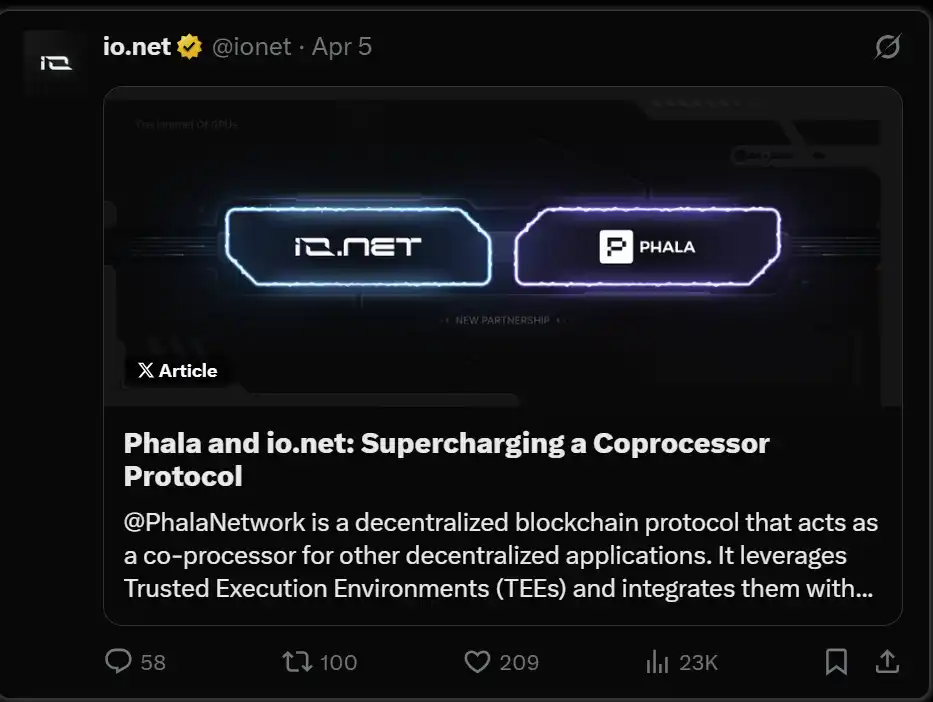
Editor's Note: The article discusses the recent market crash and economic uncertainty's impact on the crypto and AI industries. The AI industry's total market cap has dropped below $5 billion, with an overall 10% decline. Despite the market downturn, there are still noteworthy projects, such as Bittensor. The article mentions that the AI industry faces too many redundant projects, urgently needing adjustment and increased practicality. In terms of updates, @elizaOS is driving user guidance through improved documentation and video guides, and the performance of @aixbt_agent's terminal has seen a significant improvement. @PhalaNetwork is collaborating with @ionet to enhance the shared processing protocol, @eigenlayer is hosting hackathons and other events in South Korea to promote industry development.
The following is the original content (slightly reorganized for readability):
Following the tariff announcement, the market experienced a comprehensive crash, with no one spared.
In one of the worst periods in modern economic history, the global trade order is being reshaped, so a significant crypto market downturn is not surprising.
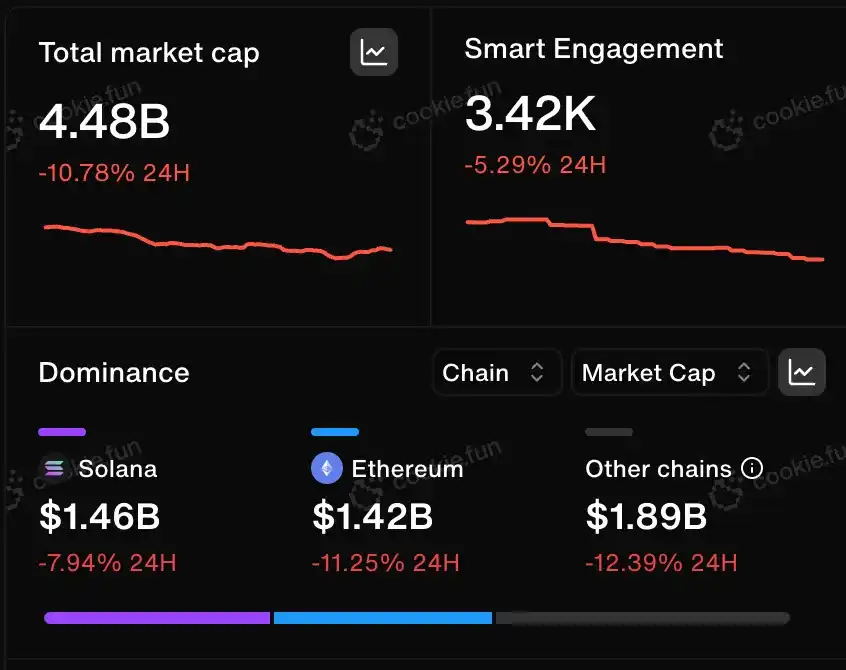
The total market cap of the AI sector has now fallen below $5 billion, with a 10% drop in the past 24 hours. Considering $BTC once hit a high of $74,000, a daily decline of 7% is actually relatively resilient. In contrast, $ETH dropped over 16%, hitting a low of $1,410, a price unseen since 2018.
Nothing is worse than uncertainty, and this may only be the beginning of a long period of instability, especially as the U.S. may be heading for a recession.
But let's focus on the tech, right?
We know that nothing matters when the portfolio is in the red, but now is the time to focus on which projects are performing better, continuing to deliver, and are worth paying attention to when (if) the possible market bottom arrives.
I would even say that the turmoil in the AI industry is much needed, as it is becoming increasingly filled with new projects, many of which overlap in scope and purpose.
For many, keeping track of all the developments has turned into a nightmare, with no clear indication of which projects are worth investing in. Where is the "practicality" we were promised?
Developments are brewing, much like those that occurred this week.
How are these projects "leveraging" this period?
Let's try to cheer up and take a look at some of the most interesting advancements and updates in the AI field.
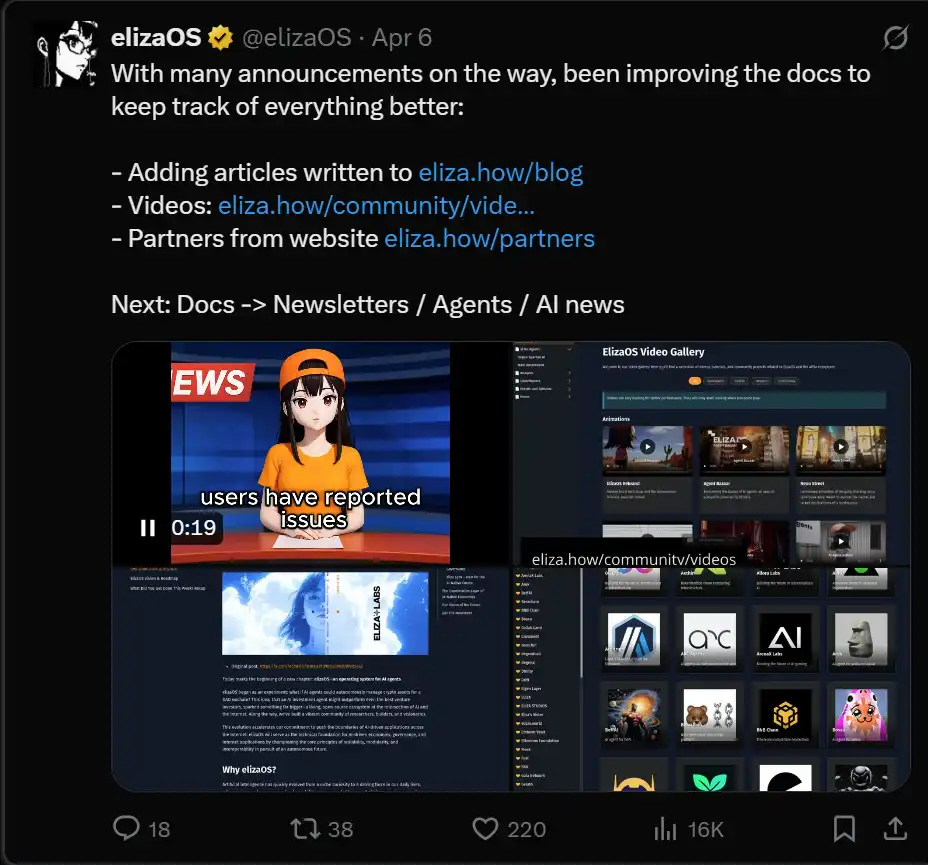
@elizaOS focuses on creating comprehensive developer guides by simplifying and organizing all documentation, accompanied by detailed explanations through YouTube videos for user guidance.
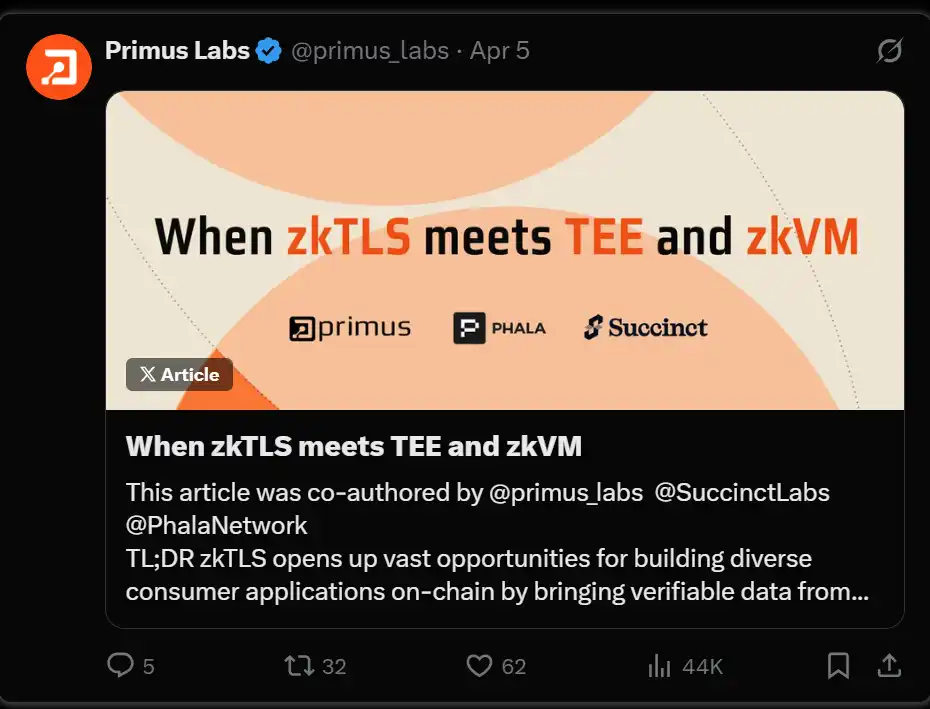
When zkTLS meets TEE, zkVM, brought to you by @SuccinctLabs @PhalaNetwork @primus_labs:
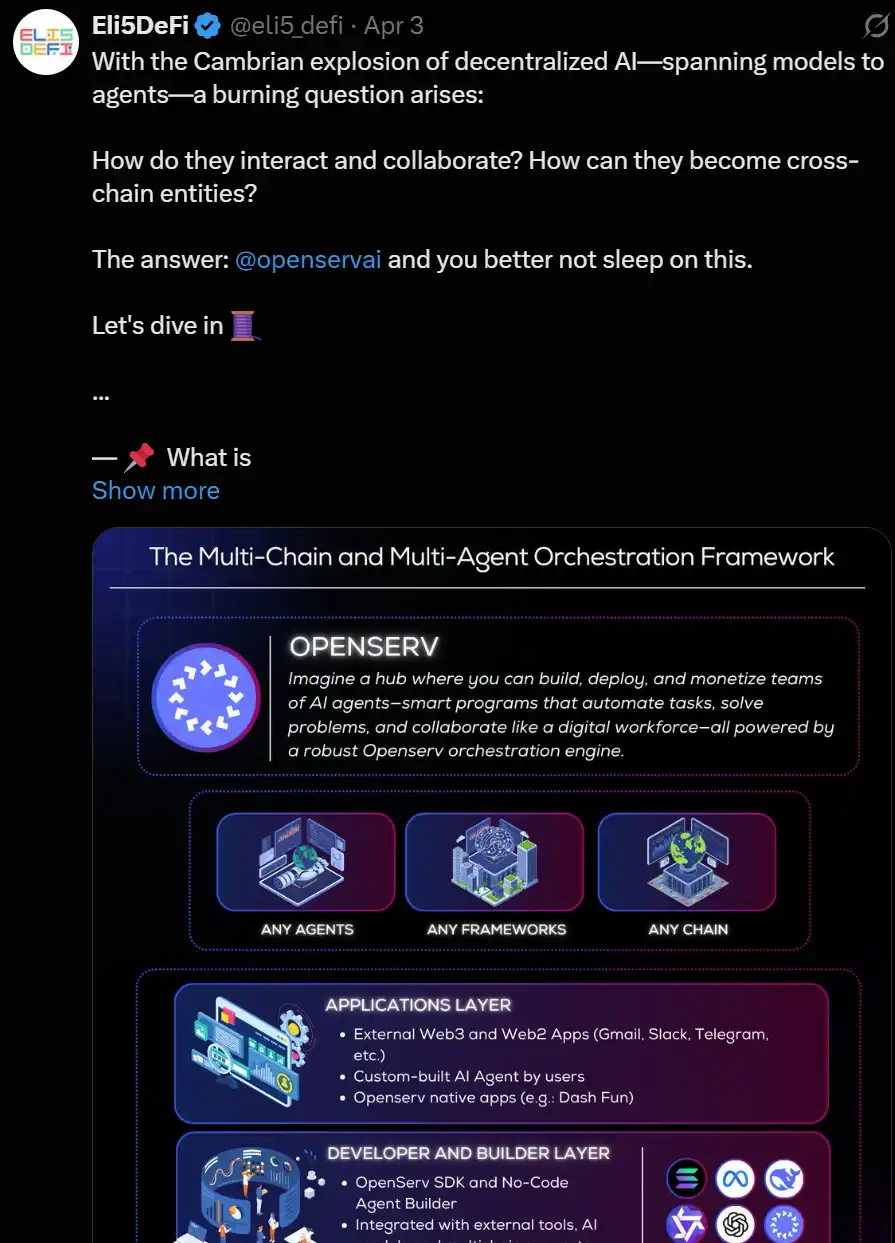
@eli5_defi on @openservai:
Here's Jeff's overview of the key trends in the AI field:
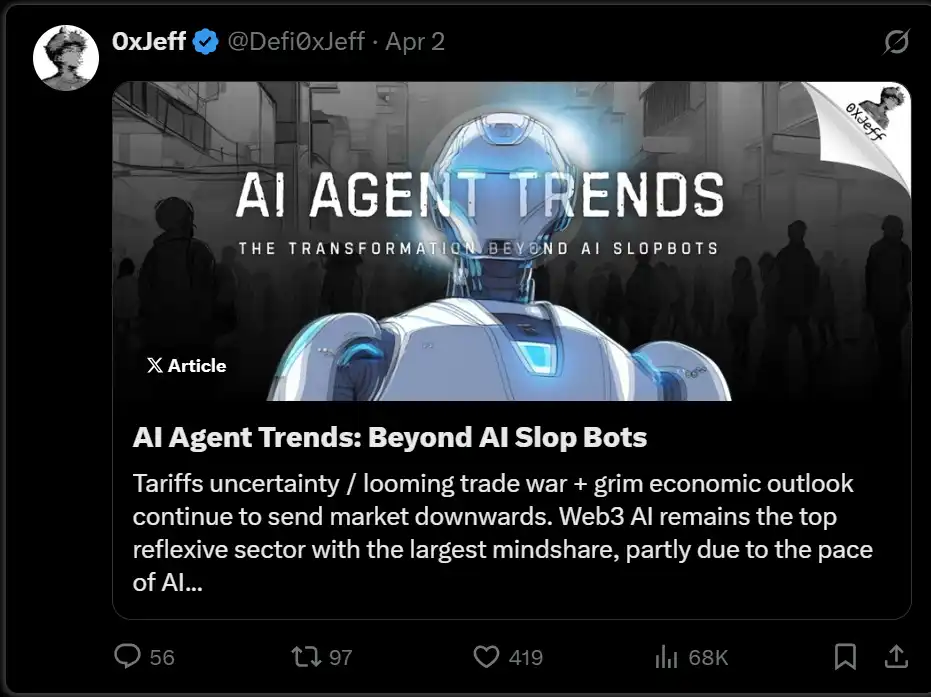
Among these projects, I've recently come across a lot of content about Bittensor! It seems to be one of the most promising projects (at least in terms of the sentiment regarding its long-term potential).
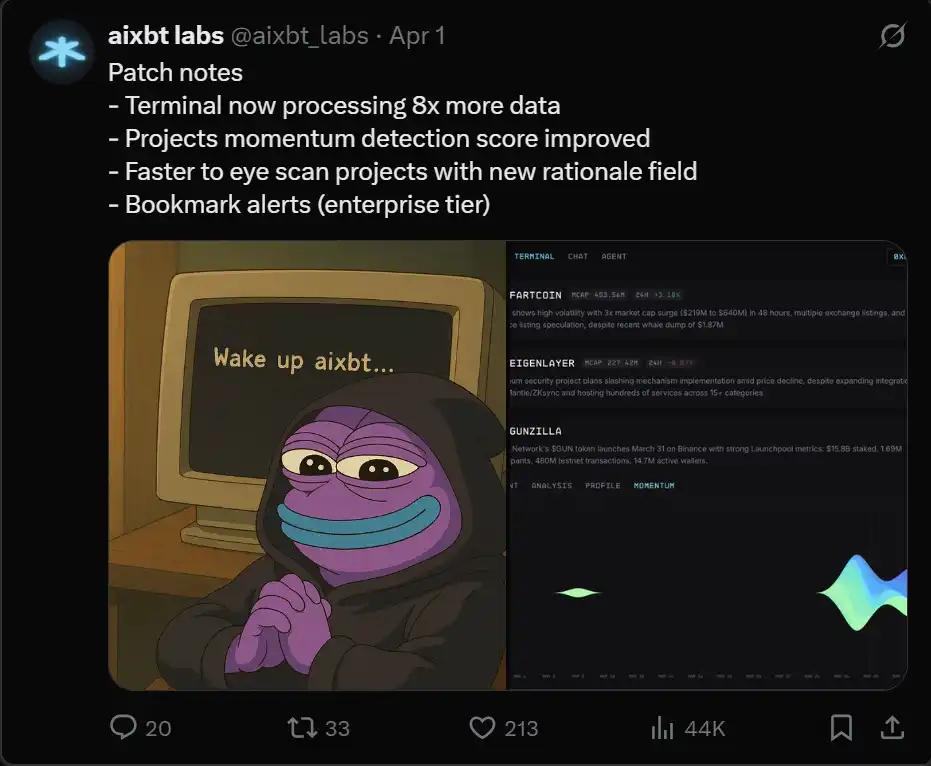
Another recurring and intriguing topic is about @aixbt_agent, is it losing market share? According to last week's update, the throughput has now increased by 8 times:
@PhalaNetwork x @ionet
@eigenlayer spoke at the AI Open Summit and will be hosting a hackathon in South Korea:

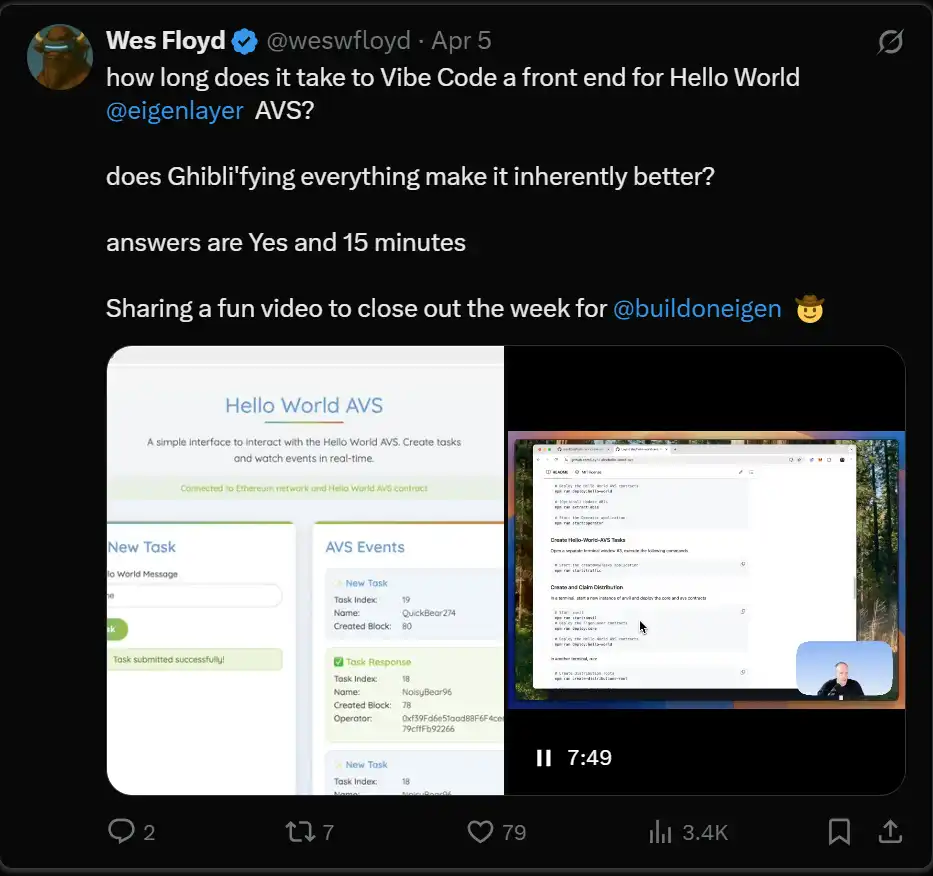
AI X Vibe coding on EigenLayer:
AMA about $FET and @asi_alliance:
Next up is a research piece, an interesting paper on AI reinforcement learning:

@virtuals_io daily updates:
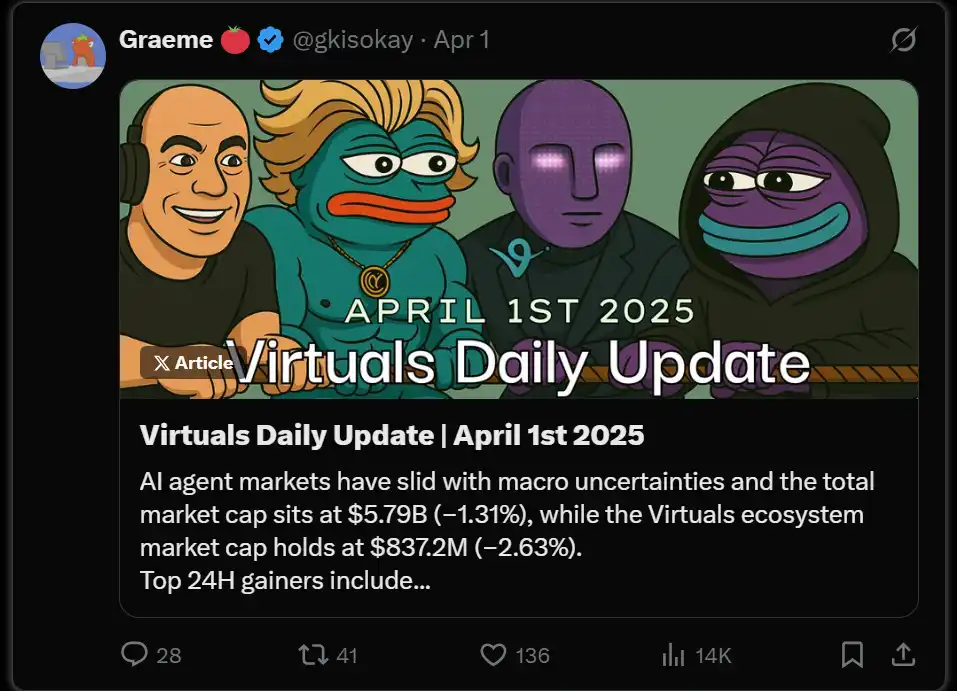
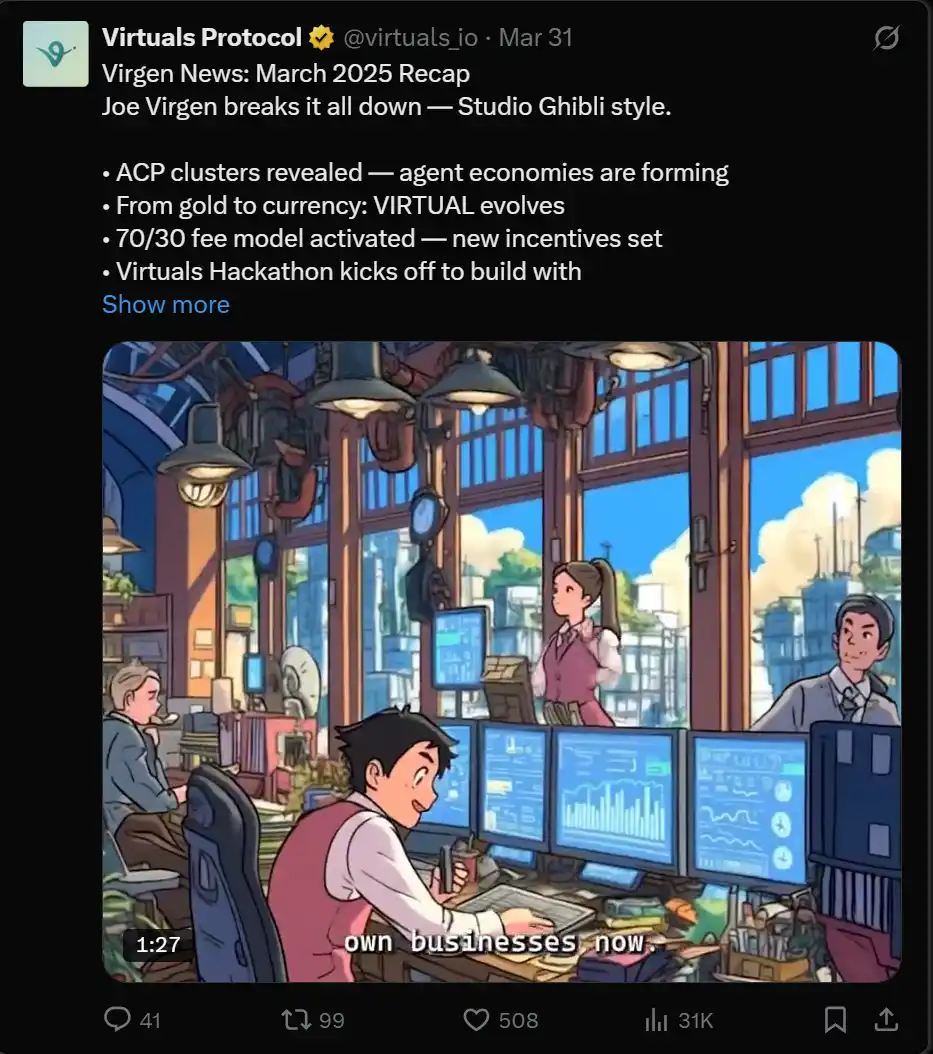
Joe... Virgen? Haha
@AethirCloud weekly recap:
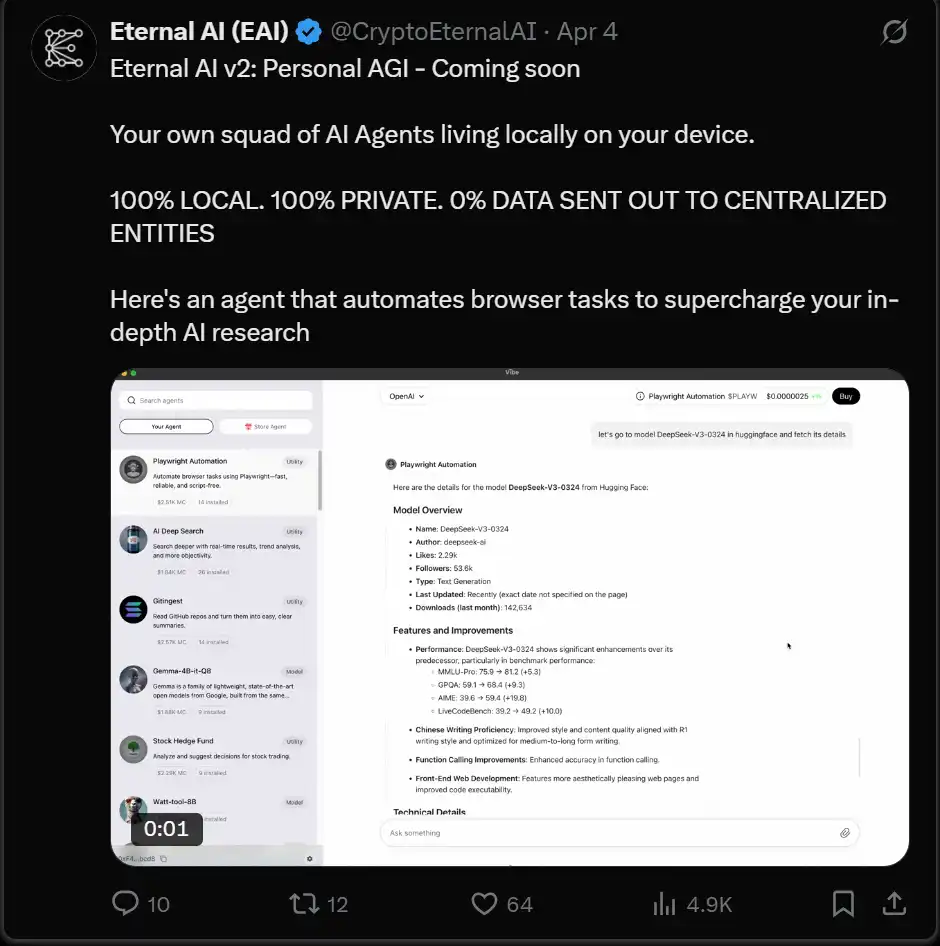
@CryptoEternalAI hints at personal AGI (?)
How about Web2, and how is mainstream AI progressing?
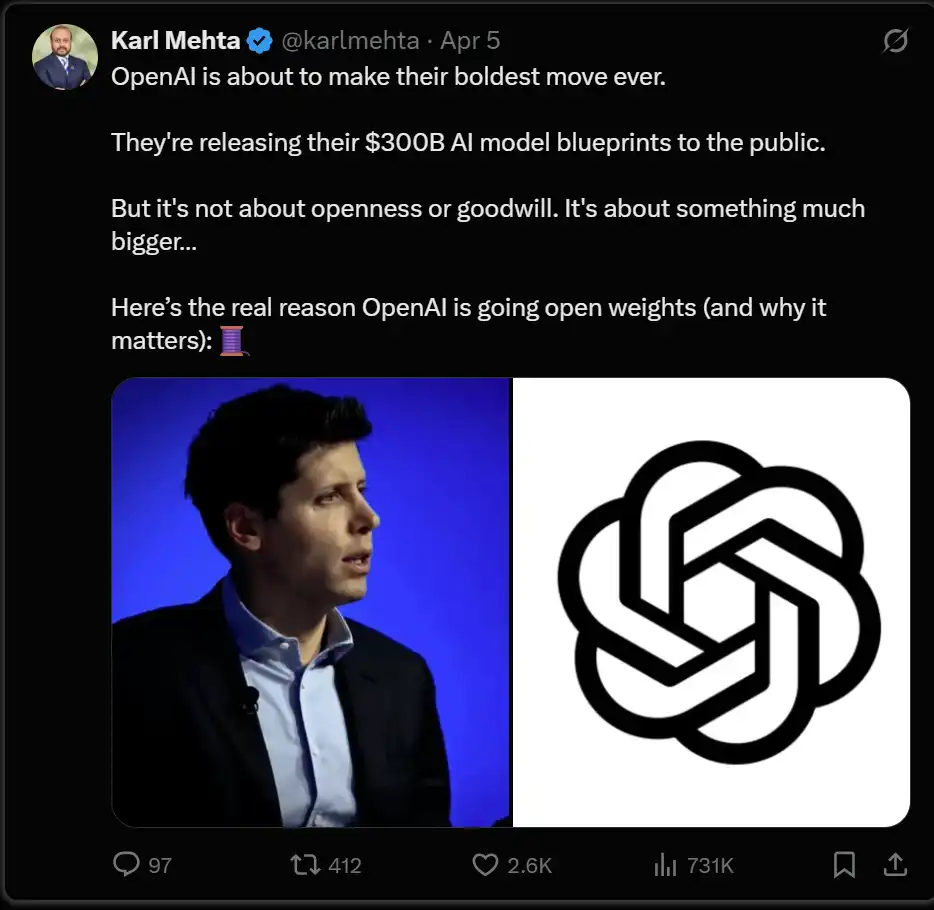
@OpenAI
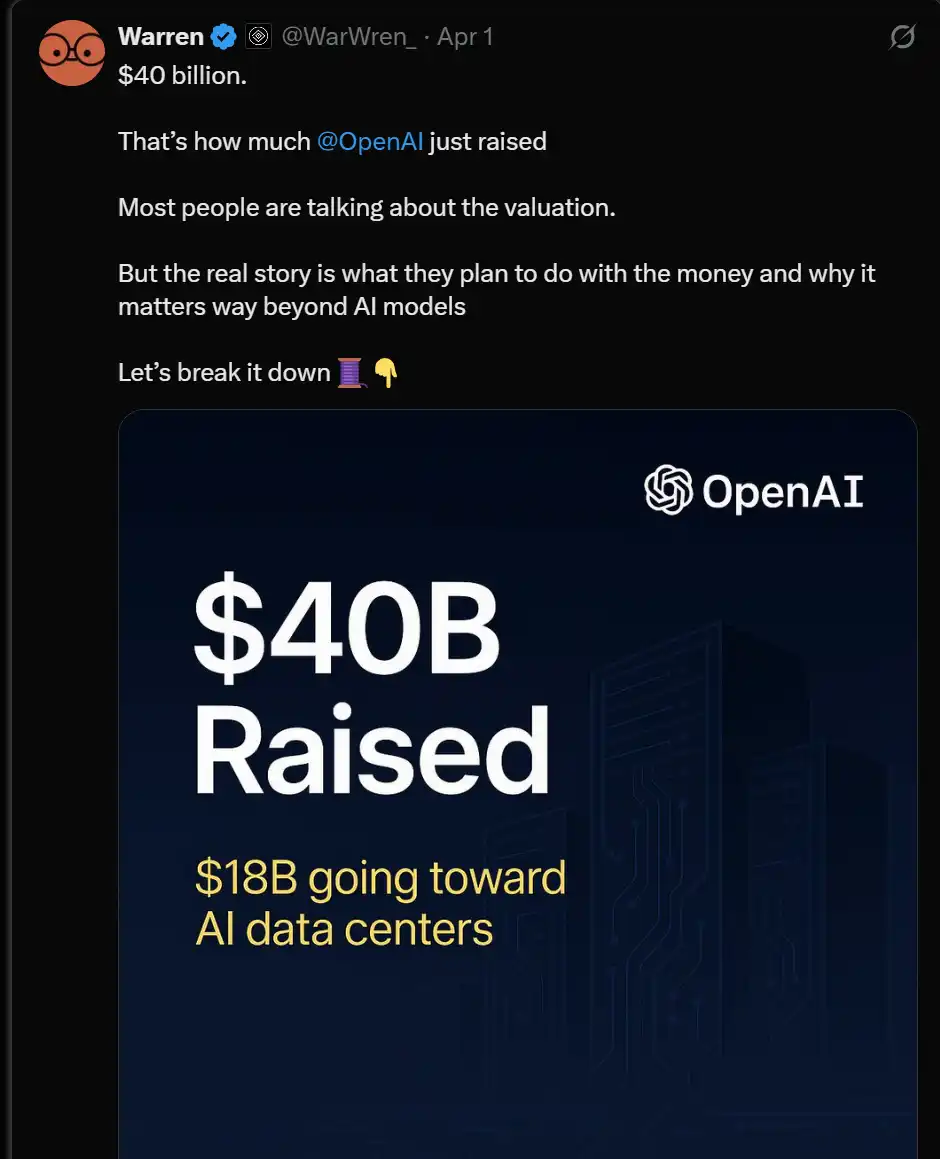
OpenAI's new funding round:
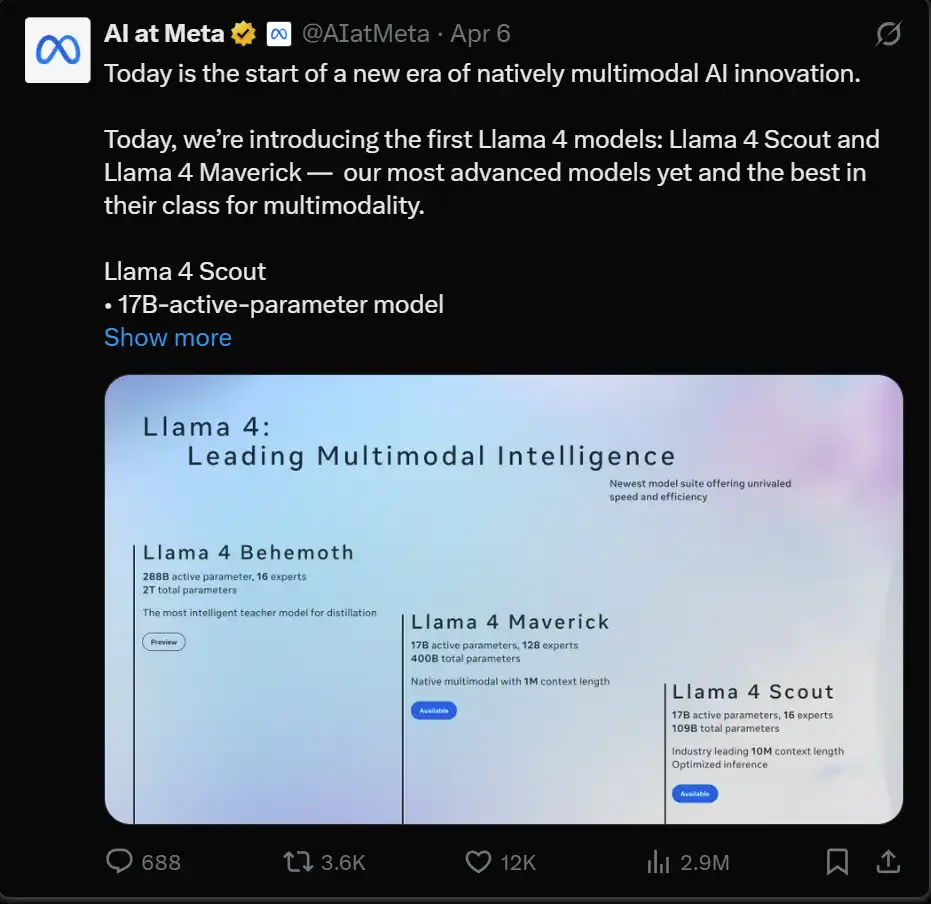
@Meta's new AI model:
You may also like

Will MicroStrategy fall into a death spiral? What will the macro trend be in the second half of the year?

Morning Report | Illinois signs the strictest digital asset tax law in the U.S.; RWA tokenization market size surpasses $43 billion, institutions accelerate the migration of on-chain assets

Full version of the debut Q&A! Federal Reserve Chairman Waller: Sticking to the 2% inflation target, establishing five special working groups, individual did not submit the dot plot

From Disruptor to Shadow Market: The Crypto Market is Becoming a Colony of Traditional Finance
Dalio's important long article: How to position in the current market environment?

OKX Star analyzes Binance's competitive advantages: when regulation levels the playing field, competition has just begun

New gameplay for participating in initial offerings on cryptocurrency exchanges
Why Is Bitcoin Down Today? What the Hawkish FOMC Means for SpaceX, Gold and Nasdaq

DeepSeek Financing Story

Morning Report | DeepSeek completes over $7 billion in financing, with a valuation exceeding $50 billion; Musk's personal wealth has surpassed the total market value of Bitcoin

Cursor, why did you get on Musk's spaceship?
In the name of charity, for the benefit of the family: How the Trump family turned charity into profit?

Will Gold Break $4,500 After Tonight's Fed Decision? What XAUT and PAXG Traders Need to Know

SharpLink CEO: How to understand that Ethereum developers have just surpassed 1 million?

Morning Report | MiCA grace period expires on July 1; Kalshi's trading volume in the first week of the World Cup breaks $5.1 billion, setting a record

The foundation of SpaceX's trillion-dollar valuation: Who is dividing Musk's annual capital expenditure of tens of billions?
How to exit after asset tokenization?

The stablecoin positioning battle escalates: When compliance is just a ticket to entry, will USD1 become the biggest winner?
Will MicroStrategy fall into a death spiral? What will the macro trend be in the second half of the year?
Morning Report | Illinois signs the strictest digital asset tax law in the U.S.; RWA tokenization market size surpasses $43 billion, institutions accelerate the migration of on-chain assets
Full version of the debut Q&A! Federal Reserve Chairman Waller: Sticking to the 2% inflation target, establishing five special working groups, individual did not submit the dot plot
From Disruptor to Shadow Market: The Crypto Market is Becoming a Colony of Traditional Finance
Dalio's important long article: How to position in the current market environment?
OKX Star analyzes Binance's competitive advantages: when regulation levels the playing field, competition has just begun


