
 Buy Crypto
- Markets
 Futures
- Spot
- Copy Trade
- Earn
- More
Ethereum 2025 Major Upgrade Completed, Faster and Cheaper Mainnet Is Here




On December 4, Ethereum's second major upgrade of the year, Fusaka, was officially activated on the Ethereum mainnet (corresponding to Epoch 411392). This upgrade took place both at the Ethereum consensus layer and execution layer, enhancing Ethereum's ability to process large-scale transactions from various Layer 2 networks. It increased the block Gas limit to 60 million and paved the way for subsequent blob parameter adjustments through BPO forks, with an expected 40% to 60% reduction in L2 fees.
Prior to the completion of this upgrade, it received positive feedback from some well-known figures in the industry. For example, Bitwise's Chief Investment Officer, Matt Hougan, stated on November 23 that "the current market pullback has caused many signals to be ignored, such as the increasing value capture of UNI, ETH, and XRP. I believe the market will soon begin to reprice around the positive impact of the Ethereum Fusaka upgrade, especially if it delivers as expected on December 3. This is an underrated catalyst and one of the reasons Ethereum may lead the rebound in this round of the crypto market."
The Fusaka upgrade actually includes a total of 13 EIPs, and it might not be very intuitive to introduce them all. So, what changes have occurred after this Ethereum upgrade was completed?
Faster, Cheaper
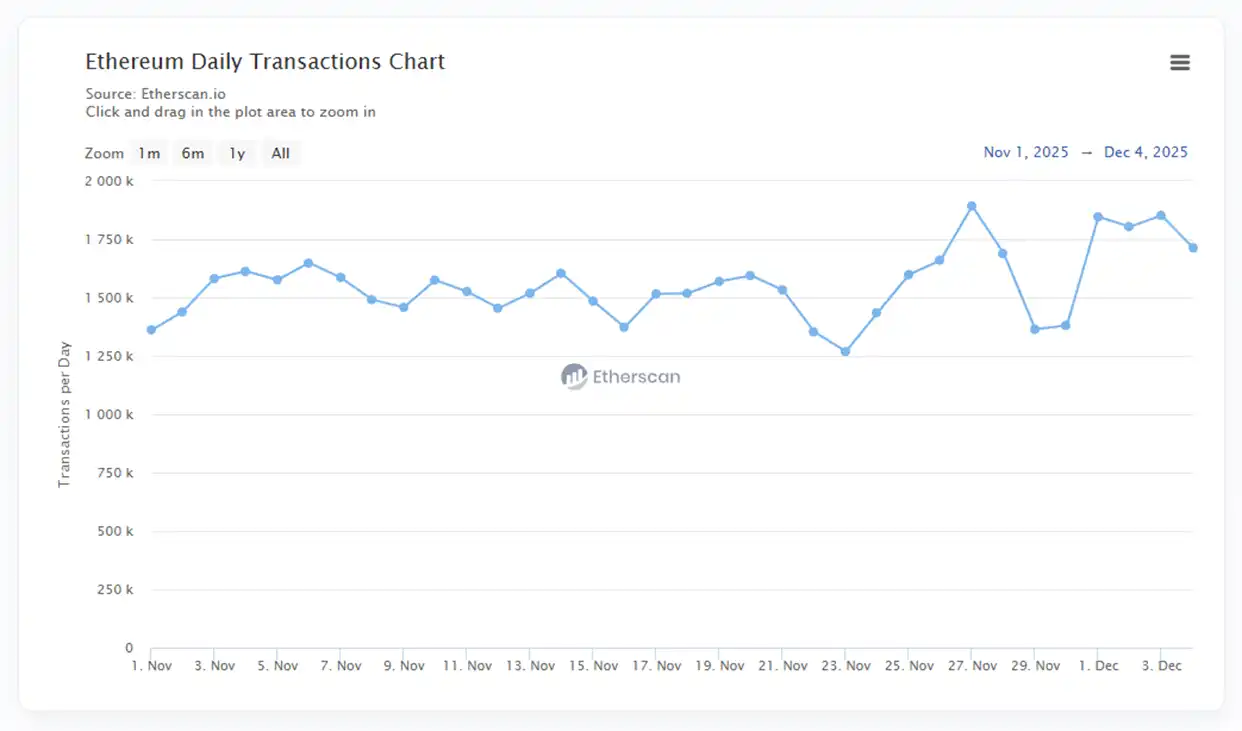
Let's directly observe the current Gas levels:

Over the past 7 days, the average Gwei value has been around 0.1, while over the past 30 days, the average Gwei value has been around 0.3. At the same time, the change compared to the transaction volume at the beginning of November is not significant.
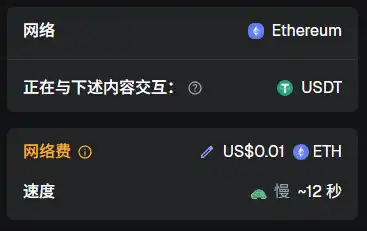
Currently, the Gas fee required for a single USDT transfer on the Ethereum mainnet has dropped to $0.01. I tried a transaction of this kind in a block with approximately 0.029 Gwei and it was completed in less than 1 minute.
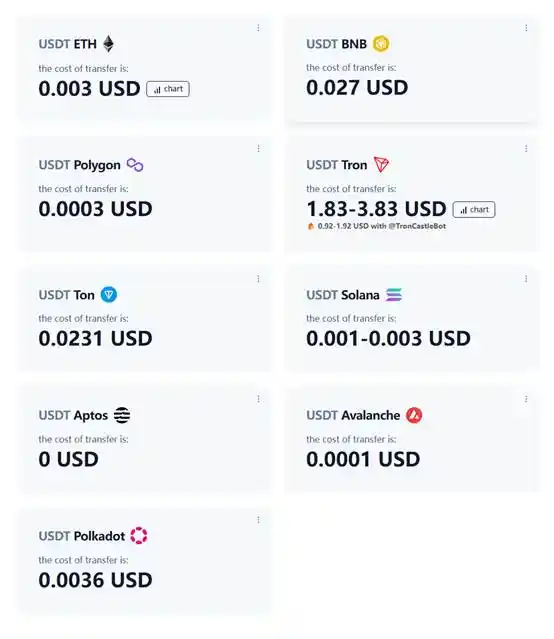
According to GasFeesNow data, the current Gas cost for transferring USDT on the ETH mainnet is only about 0.016% of that on the Tron blockchain:
Following the Pectra upgrade's EIP-7783, the Fusaka upgrade's EIP-7935 once again increased the default Gas limit, raising the Gas limit to 60 million. A higher Gas limit means each block can process more transactions, reducing both block congestion and transaction fees.
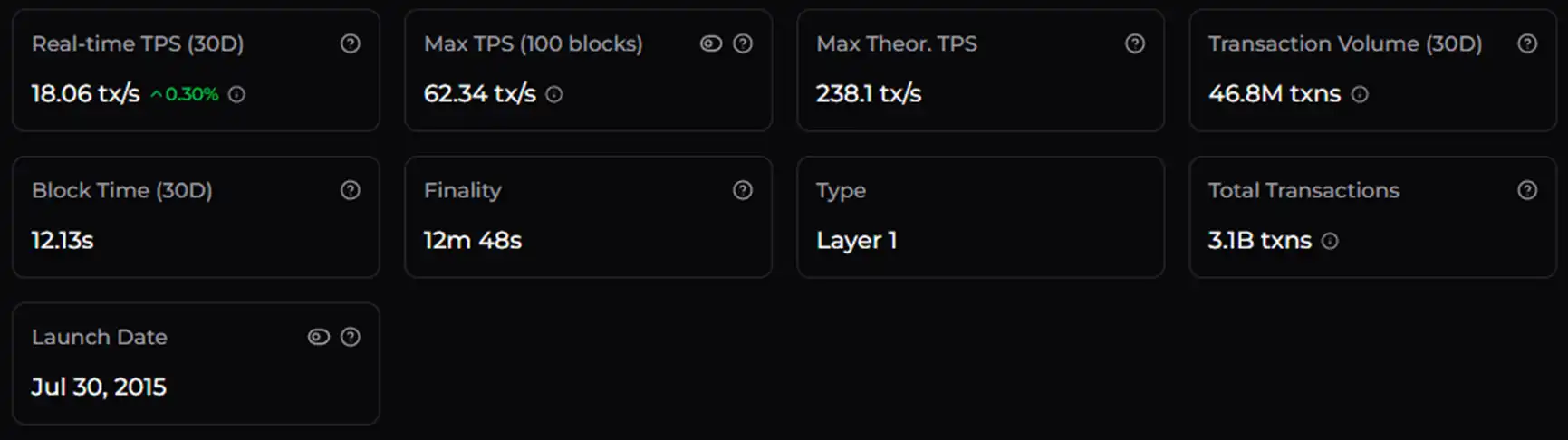
According to Chainspect's data, the current theoretical TPS peak of the Ethereum mainnet has reached 238.1, while early Ethereum only had a theoretical TPS peak of 15. In 10 years, it has increased nearly 16 times, a significant leap akin to a decade-long transformation.
PeerDAS, a Significant Milestone in Sharding
"The significance of PeerDAS in Fusaka is profound because it is essentially sharding. Ethereum can achieve block consensus without any single node having to view even a tiny fraction of the data. Moreover, it can resist 51% attacks—it employs client-side probabilistic verification rather than validator voting. Sharding has been Ethereum's dream since 2015, and data availability sampling has been ongoing since 2017; now, we have finally achieved it."
From Vitalik's tweet above, we can understand why PeerDAS is the most highlighted advancement in the Fusaka upgrade. PeerDAS (EIP-7954) introduces a data availability sampling mechanism using KZG proofs, allowing nodes to sample a small portion (1/8) of blob data and compare it with data held by peer nodes.
This enables Ethereum to increase the blob capacity per block without increasing the node size, allowing validation of L2 transactions with only a partial data download. For L2, this not only means theoretically 8 times the data throughput but also lower blob costs and user fees.
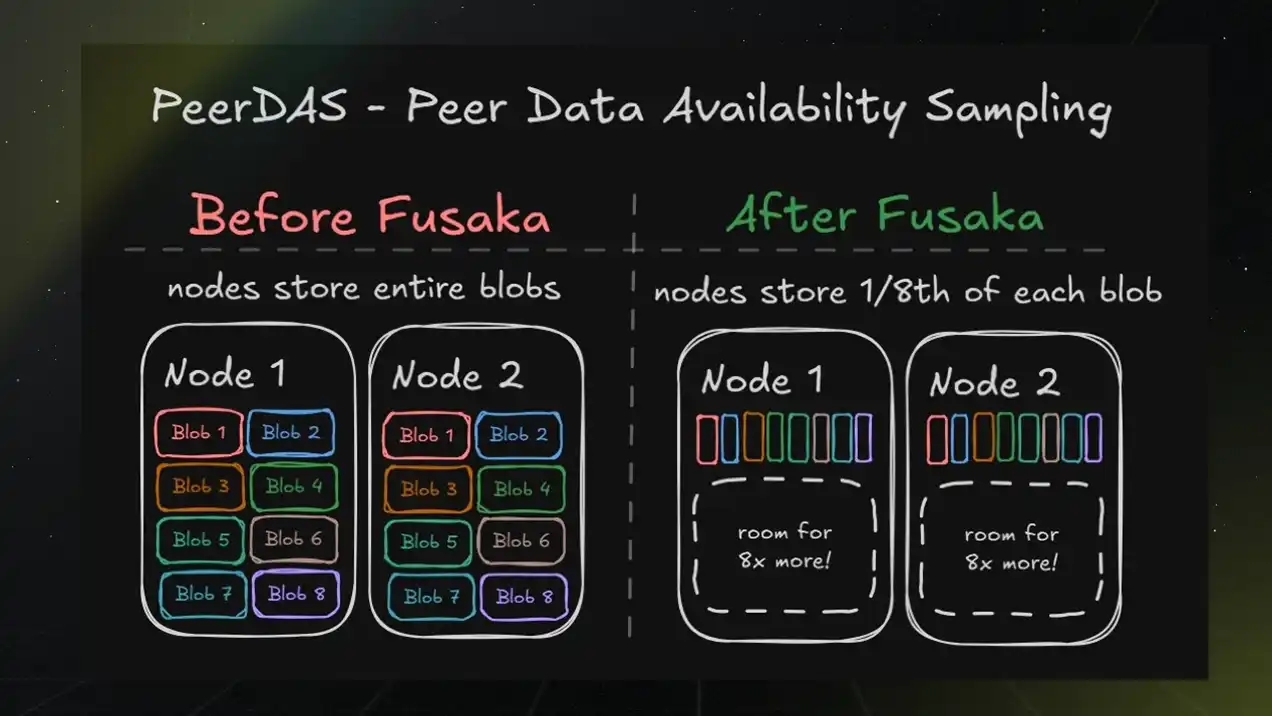
(Image Source: @jarrodwatts)
However, Vitalik also pointed out three aspects in which Fusaka's sharding mechanism is still imperfect:
· It can handle O(c^2) transactions at the L2 level (where c is the computational load per node), but this cannot be achieved on the Ethereum mainnet. To achieve a direct boost to the mainnet's scalability, besides the improvements from constant factor upgrades like BAL and ePBS, a mature ZK-EVM is also needed.*
· Proposal/Developer Bottlenecks. Currently, developers need to possess all the data and construct the entire block. It would be great if distributed block construction could be realized.
· We still need to shard the mempool.
Vitalik stated that over the next two years, the PeerDAS mechanism will continue to be improved, cautiously scaling it up while ensuring its stability, and leveraging it to scale Layer 2. Once ZK-EVM matures, it will be redirected to the Ethereum mainnet to scale it further and continue to improve L1 gas fees.
Surging blob Fee
blob Gas fees surge by millions:
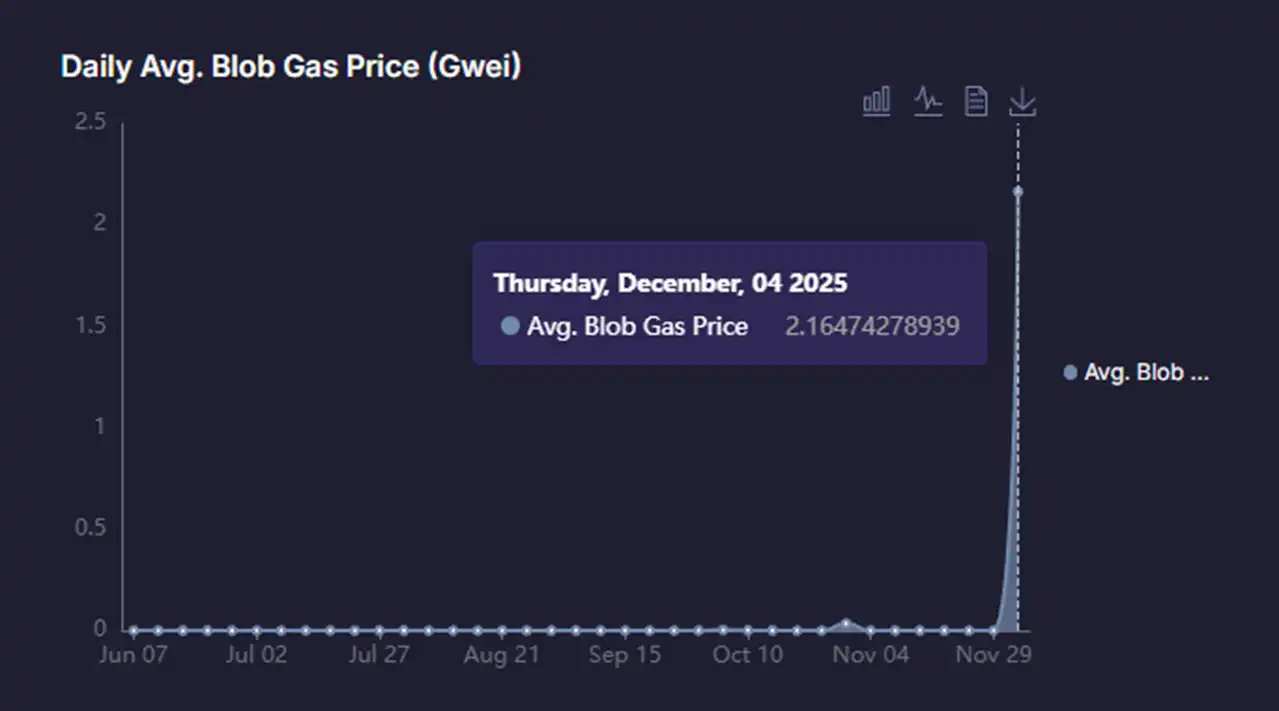
Before the Fusaka upgrade, blob Gas was essentially free because L2s submitting blob data to the mainnet were not subject to a minimum fee. As mainnet gas prices increased, L2s also stopped submitting blob data to the mainnet. This means that the Ethereum mainnet was essentially providing security for L2s free of charge.
Take Lighter, for example, they accounted for approximately 92% of all Rollup L2 TPS in the past day but paid less than $100 to the mainnet. Over a year's period, their average daily payment to the mainnet was only about $670.
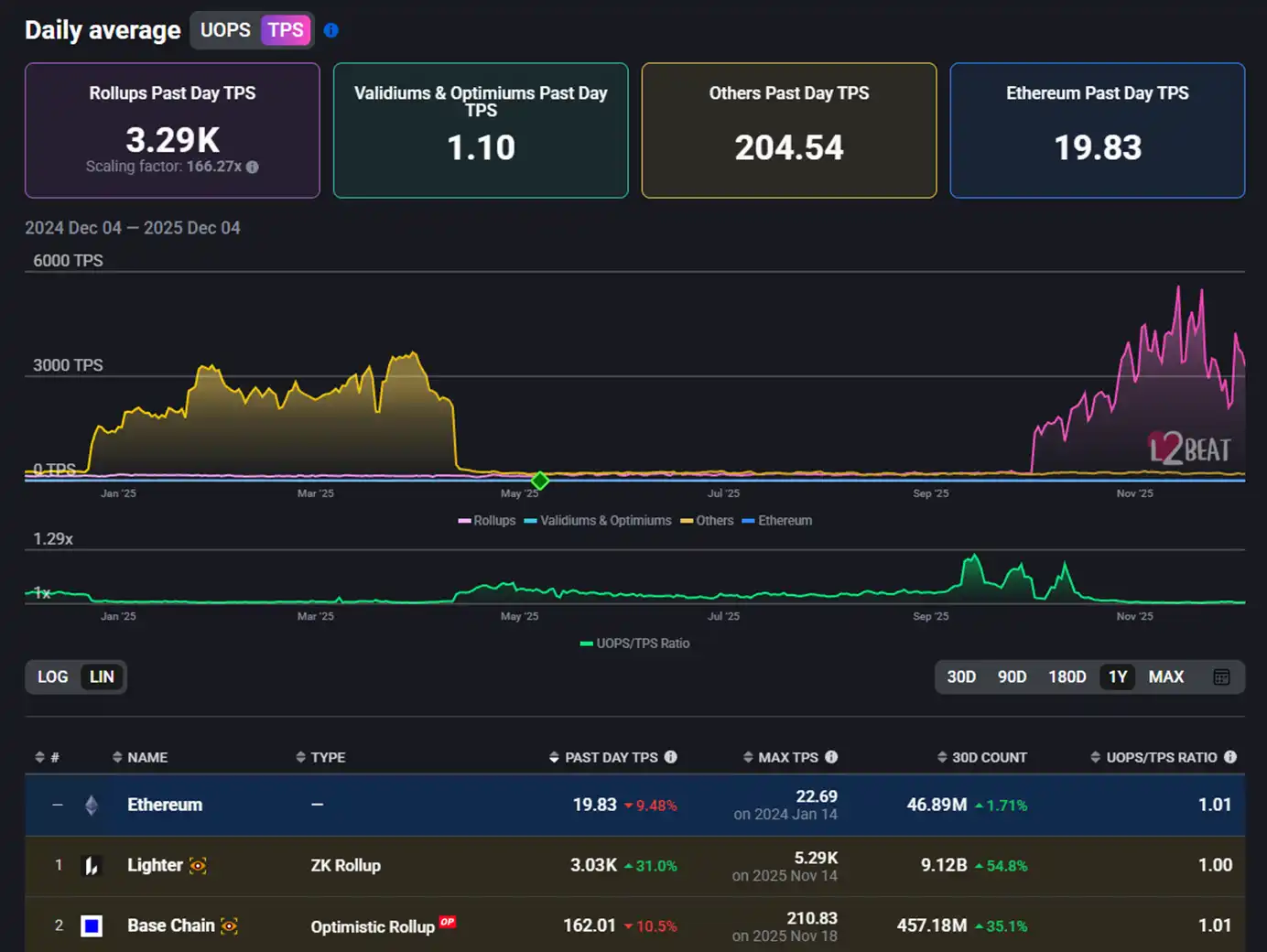
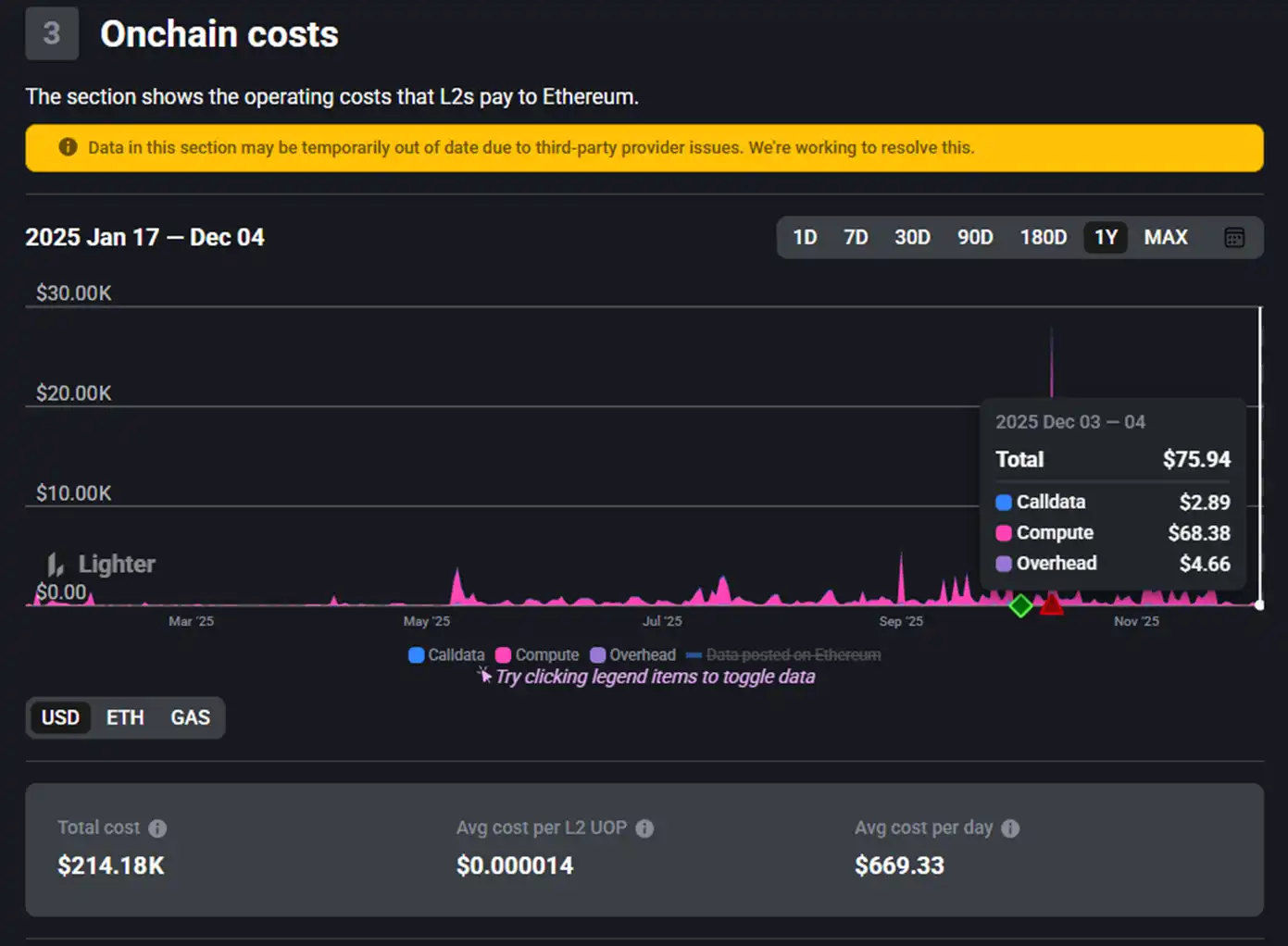
Therefore, it can be said that there was a "misalignment of incentives" regarding blob Gas fees between the mainnet and L2. L2s wanted blobs to be as small as possible to reduce user gas fees, while the mainnet wanted blob Gas fees to be as high as possible because it was providing security for L2s.
The EIP-7918 proposal of the Fusaka upgrade linked blob Gas fees to the mainnet's gas fees, providing a floor for blob Gas fees and making them more stable and predictable. Bitwise analysts state that after the Fusaka upgrade, the minimum threshold for blob Gas fees is roughly the mainnet's base execution fee divided by 16, which will create a more stable income and burn flow for the mainnet.
Of course, the actual impact on mainnet revenue and burn growth will depend on how each L2 grows.
You may also like

Will Robots Replace Humans? He Says No!

Binance Coin's Price Skyrockets 15x to All-Time High, Saved by Three Bull Market Lifelines

The organization has accessed the prediction market, but is stuck at the third stage

Head of crypto VC collective shrinks: a16z crypto fund management scale plummets by 40%, Multicoin cut in half

Arthur Hayes New Post: It's "No Trade" Time Now

Claude Opus 4.7 Review: Is It Worthy of the Title of Strongest Model?

DWF In-Depth Report: AI Outperforms Humans in Yield Farming Optimization in DeFi, But Complex Transactions Still Lag Behind 5x
The financial tricks of the crypto giant Kraken

When proactive market makers start to take initiative

Massive Whale Movement: Unstaking $84.96 Million in HYPE Tokens
Key Takeaways A crypto whale, known as TechnoRevenant, has unstaked approximately $84.96 million in HYPE tokens. The tokens…

ListaDAO Addresses Third-Party Contract Vulnerability Concerns
Key Takeaways GoPlus Security revealed a vulnerability in a contract resembling those of ListaDAO. ListaDAO confirmed that their…

Security Risks of Fake Ledger Nano S+ Devices Emerging Through Chinese E-Commerce
Key Takeaways Counterfeit Ledger Nano S+ devices are being sold on Chinese e-commerce platforms, posing significant risks to…

Wave of Cyber Attacks Hits DeFi Protocols Post-Drift Hack
Key Takeaways A significant $280 million attack on Drift Protocol set off a chain of security breaches across…
Tom Lee Says ‘Mini Crypto Winter’ Is Over, Sees Ether Above $60K
Key Takeaways: Tom Lee predicts Ether’s resurgence, projecting it to surpass $60,000 in the coming years. Bitmine suffered…

French Government Tackles Rising Crypto Safety Concerns
Key Takeaways: France is intensifying measures to counter the surge in crypto kidnappings and wrench attacks. Since early…
Europe’s Bitcoin Treasury Playbook Unlikely to Mirror US Strategy: PBW 2026
Key Takeaways: European firms are adapting unique Bitcoin treasury strategies due to distinct financial regulations and market dynamics…
Circle Confronts Lawsuit Over $280M Drift Protocol Hack
Key Takeaways: Circle faces a lawsuit for allegedly aiding in the transfer of $230 million in stolen USDC.…
Bitcoin Faces ‘Near-Term Selling Pressure’ Following Surge to $76K: CryptoQuant
Key Takeaways: Bitcoin reaches a multi-month high of $76,000, prompting increased deposits to exchanges. CryptoQuant identifies a peak…



 App
App