
 Buy Crypto
- Markets
 Futures
- Spot
- Copy Trade
- Earn
- More
FOMC December 2025 Rate Cut Analysis: Impact on Bitcoin Price and Crypto Market for WEEX Users



The Federal Open Market Committee (FOMC) meeting on December 10, 2025 concluded with a widely anticipated 25 basis points (0.25%) rate cut, bringing the federal funds target range to 3.50%–3.75%. This marks the third consecutive rate cut in 2025, signaling the Fed’s ongoing effort to balance inflation control with supporting economic growth. Leading up to the announcement, Bitcoin prices had been hovering near $90,000, and following the rate cut, BTC briefly spiked above $94,000 before stabilizing around its current level of ~$90,000. This price movement reflects a moderate market reaction, as traders had largely priced in the expected rate cut.
Understanding the FOMC: Why Crypto Traders Should Care About Federal Reserve Decisions
The FOMC, or Federal Open Market Committee, is the policy-making branch of the U.S. Federal Reserve, responsible for setting the direction of U.S. monetary policy, including interest rates and liquidity operations. The committee meets eight times per year to assess economic conditions and determine whether monetary policy should be tightened or loosened. Decisions by the FOMC directly affect traditional financial markets such as equities, bonds, and currencies, and indirectly influence crypto markets, including Bitcoin and altcoins, because interest rate changes affect liquidity, risk appetite, and global capital flows. For WEEX users, staying informed about FOMC actions is crucial, as these events can drive short-term volatility and shape longer-term crypto market trends.
The December 2025 FOMC Rate Cut: Background and Detailed Analysis
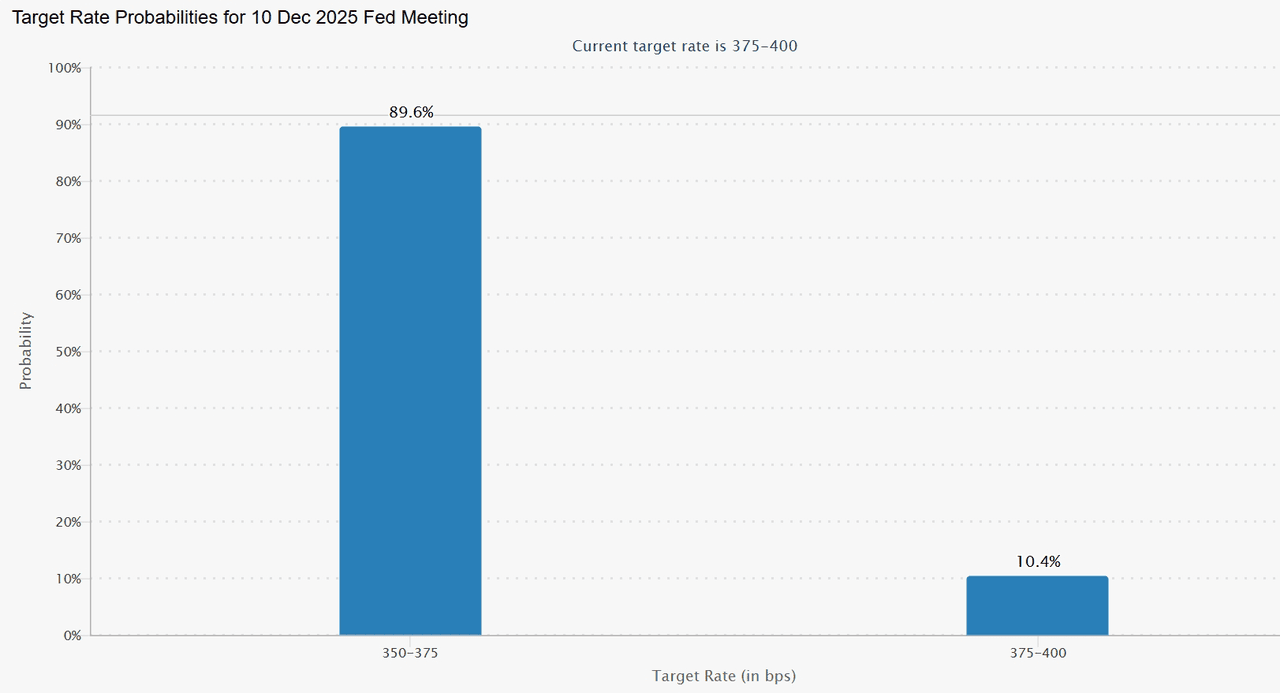
The Federal Reserve’s December 2025 FOMC meeting delivered the anticipated 25-basis-point rate cut, lowering the federal funds target range to 3.50%–3.75%. Because CME FedWatch had already priced in nearly a 90% probability of this move, markets—especially crypto—showed limited reaction. BTC briefly spiked above $94,000 before stabilizing around its current level of ~$90,000. The macro backdrop also explains the Fed’s caution: job growth has slowed, the unemployment rate has risen to 4.4%, and inflation remains above target but is driven mainly by one-off tariff effects rather than broad price pressures. Powell noted that consumer spending and business investment remain resilient, yet the labor market is clearly losing momentum, raising downside risks. These mixed signals shaped a tone of policy restraint rather than confidence.
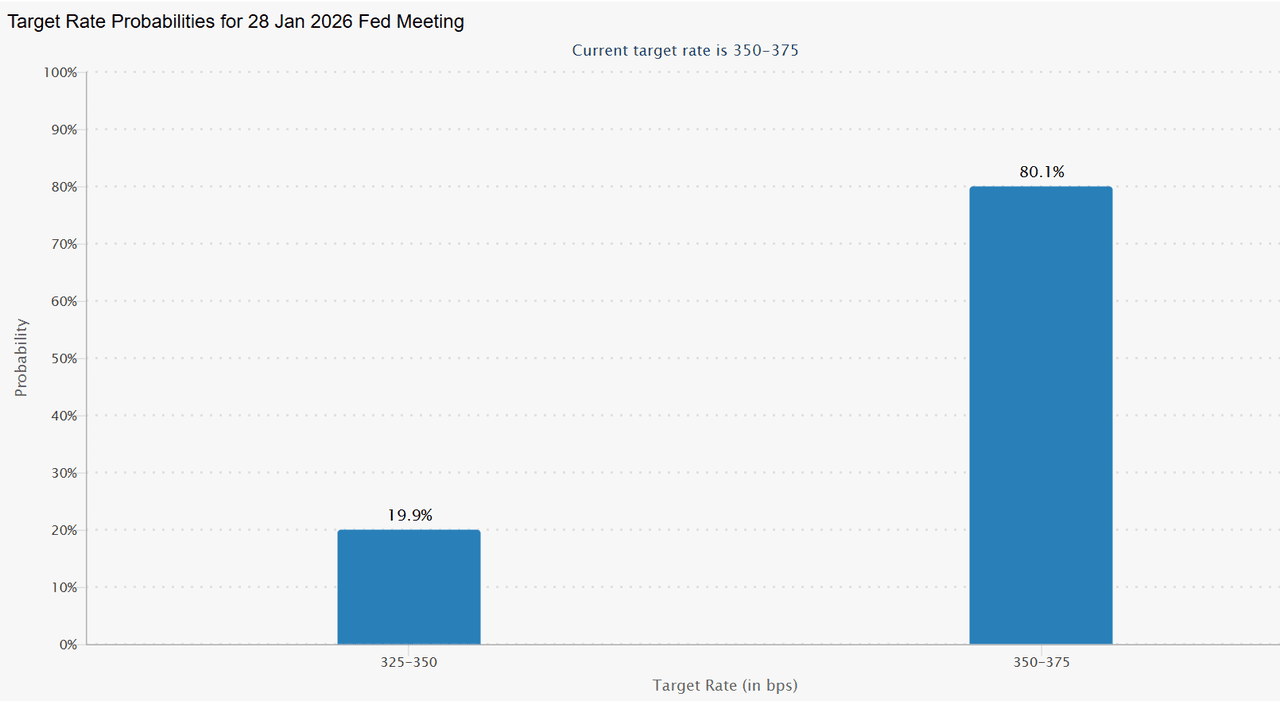
Equally important, the Fed signaled it is not committing to a rate-cut cycle. At the time of writing, FedWatch priced just a 19.9% chance of another 25bps cut at the next FOMC, versus an 80.1% likelihood of holding rates steady—an abrupt shift from the near-certainty of easing before this meeting. On liquidity, the Fed announced $40B in T-bill purchases for the first month and continued repo/RRP tools to maintain ample reserves, but Powell stressed these are technical operations, not QE. With no surprise, no strong forward guidance, and no meaningful liquidity injection, the meeting delivered little for risk assets to latch onto. For Bitcoin and broader crypto, this data-dependent, one-and-wait stance explains why price action remained muted despite the headline rate cut.
Impact of the FOMC Rate Cut on Bitcoin and the Crypto Market
Crypto markets historically rally when the Fed delivers unexpected dovish surprises, and this meeting contained none. Even the Fed’s liquidity measures—including $40B in T-bill purchases and expanded repo operations—were understood as routine reserve management rather than true stimulus, meaning no significant liquidity wave is expected to lift BTC or altcoins in the near term. Overall, while the December decision improves the macro setting compared to earlier in the year, the absence of new dovish catalysts explains why Bitcoin did not deliver a significant post-FOMC rally.
WEEX User Takeaways: How to Navigate Crypto Markets Post-FOMC
For WEEX users, the December FOMC rate cut offers several actionable insights for navigating the current market environment. With volatility often spiking around major policy events, traders should maintain realistic expectations—especially when outcomes are fully priced in, as seen with Bitcoin’s muted reaction. For those seeking a more steady approach amid uncertainty, WEEX Auto Earn provides a flexible, hands-free way to grow USDT holdings. Once activated, it automatically captures daily balance snapshots, applies tiered interest rates with no lock-up, and deposits earnings the next day. New users who complete KYC verification can also access exclusive introductory APR rates up to 100% within designated limits — offering both stability and enhanced yield potential as markets digest the post-FOMC landscape.
About WEEX
Founded in 2018, WEEX has developed into a global crypto exchange with over 6.2 million users across more than 150 countries. The platform emphasizes security, liquidity, and usability, providing over 1,200+ spot trading pairs and offering up to 400x leverage in crypto futures trading. In addition to traditional spot and derivatives markets, WEEX is expanding rapidly in the AI era — delivering real-time AI news, empowering users with AI trading tools, and exploring innovative trade-to-earn models that make intelligent trading more accessible to everyone. Its 1,000 BTC Protection Fund further strengthens asset safety and transparency, while features such as copy trading and advanced trading tools allow users to follow professional traders and experience a more efficient, intelligent trading journey.
Follow WEEX on social media
Telegram: WeexGlobal Group
YouTube: @WEEX_Global
TikTok: @weex_global
Instagram: @WEEX Exchange
Discord: WEEX Community
You may also like

Arthur Hayes: Almost zero trading in Q1, the AI unemployment wave and the Iran war have kept me on the sidelines

Morning Report | Drift receives support from Tether and others to establish a $147.5 million recovery fund; Charles Schwab launches spot cryptocurrency trading services; Morgan Stanley lists asset tokenization as a growth priority

Beta, meet cash flow

How do tokenized stocks work? A conversation with the head of digital assets at BlackRock
Is the rebound an illusion? The bond market has already provided the answer

The End of Crypto Premium? Observing the Market Logic Shift from the Dilemma After Gemini's Listing

The third round of repurchase and destruction by JST has been completed as scheduled, with a repurchase and destruction scale exceeding 21 million USD

Will Bitcoin ETF Increase Bitcoin Price in 2026?
Will Bitcoin ETF increase BTC price in 2026? See what ETF inflows signal about institutional demand, market momentum, and Bitcoin’s long-term outlook.

How to Track Bitcoin ETF Flows in 2026: Best Free Trackers Used by Analysts
Since 2024, Bitcoin ETFs have become one of the main channels through which institutional capital enters the crypto market. Unlike traditional crypto exchange volume data, ETF flow data reflects portfolio allocation decisions from large investors, which often influence long-term price direction rather than short-term speculation.
How to Invest in Bitcoin ETF in 2026: Beginner's Step-by-Step Guide
For users who want the simplest way to follow Bitcoin price movements, ETFs can be a convenient starting point.

What Is a Bitcoin ETF? Is Bitcoin ETF a Good Investment Entry for Crypto Beginners in 2026?
What is a Bitcoin ETF and why does it matter in 2026? Learn how Bitcoin ETFs work, why institutions use them, and how they changed crypto market access worldwide.

Bitcoin ETF vs Ethereum ETF: What's the Difference in 2026?
Bitcoin ETF vs Ethereum ETF: What’s the difference and which should you choose in 2026? Compare risk, adoption trends, and portfolio roles before investing.
The Bounce is a Illusion? The Bond Market Has Answered

The Flip Side of the Stock Market Rally: Energy Reconfiguration, Bitcoin Short Squeeze, and Market Dislocation

Claude's Request for Identity Verification Prompts Reflection from a Relay Operator
PinPet × VELA: Solana's First Atomic Swap Engine and Yield Hedging Protocol, Reframing the DeFi Financial Paradigm

From Coinbase to OpenAI: When lobbying experts start to flee crypto




 App
App