
Messari: DePIN Guided Tour, A Look at the Decentralized Physically Backed AI DePAI Graph



Original Author: Dylan Bane, Messari Analyst
Original Translation: Yuliya, PANews
In today's rapidly developing artificial intelligence landscape, Decentralized Physical Artificial Intelligence (DePAI) is providing a novel solution for the control of robots and physical AI infrastructure. From real-world data collection to intelligent robot operations deployed on Decentralized Physical Infrastructure (DePIN), the advancement of DePAI is steadily progressing. As predicted by NVIDIA CEO Jensen Huang: "The ChatGPT moment in universal robotics is upon us."
Reflecting on the journey of technological advancement, the digital age started with hardware and then expanded into the intangible realm of software. The AI era, on the other hand, began with software and is now advancing into the physical world, the ultimate frontier.
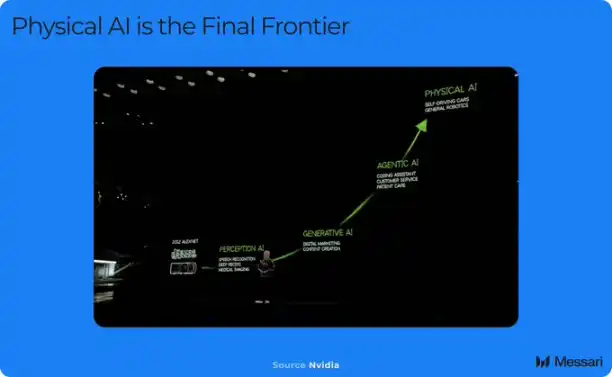
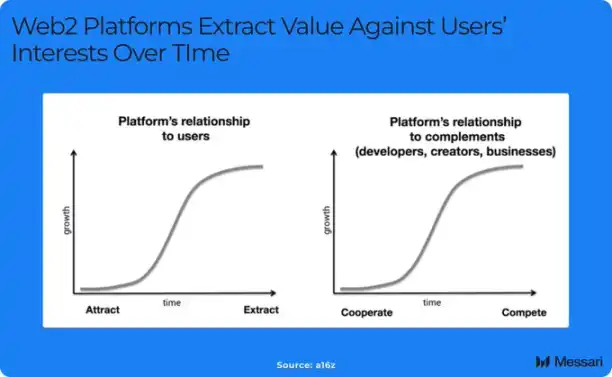
In a world where autonomous physical AI agents will soon operate robots, smart vehicles, drones, and robotics are gradually replacing traditional labor, the issue of ownership of these intelligent devices has become a significant societal concern. At a time when centralized players have not yet fully dominated the market, DePAI offers a rare opportunity to establish a Web3-based physical AI ecosystem.
Data Collection
Currently, the infrastructure of DePAI is rapidly maturing, with data collection being the most active area. This aspect not only provides real-world data required for training physical AI agents on robots but also streams data in real-time for environment navigation and task execution.
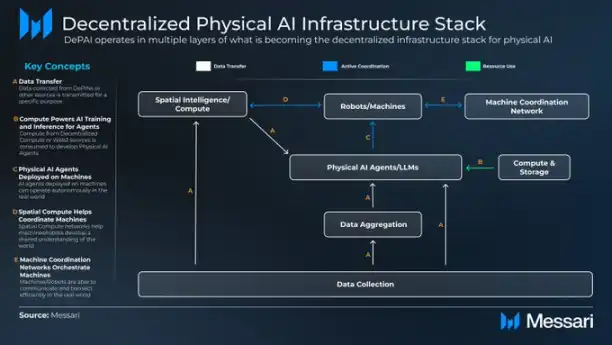
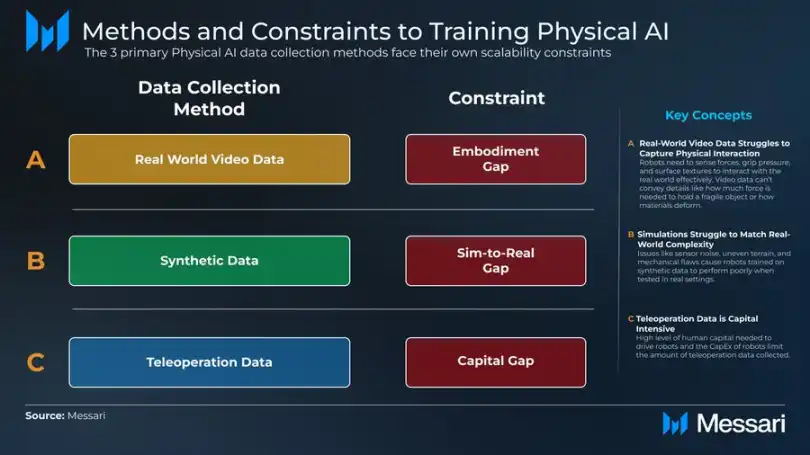
However, acquiring high-quality real-world data remains a significant bottleneck for the development of physical AI. While NVIDIA's Omniverse and Cosmos offer innovative solutions through simulated environments, synthetic data is only a part of the entire ecosystem, with remote operation and real-world video data being equally indispensable.
Remote Operation
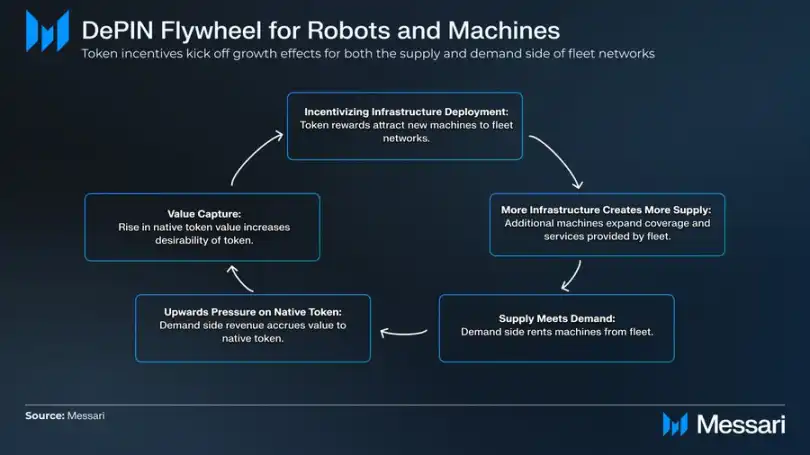
In the field of remote operation, Frodobots are deploying cost-effective delivery robots globally through DePIN. These robots not only capture human decision-making behavior in real-world environments during operation, creating high-value datasets, but also effectively address the issue of limited capital investment.

Through a token-driven virtuous cycle mechanism, DePIN is accelerating the deployment process of data collection devices and robots. For robotic enterprises looking to improve sales performance while reducing capital expenditure and operating costs, DePIN offers significant advantages over traditional models.
Video Data Applications
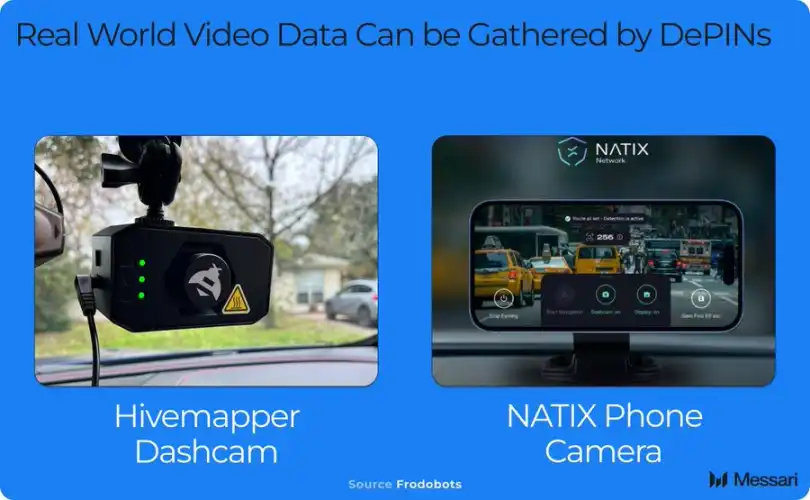
In the realm of video data applications, DePAI can leverage real-world video data to train physical AI systems, building spatial awareness of the real world. In this regard, Hivemapper and NATIX Network, with their unique video databases, are poised to become key data sources.
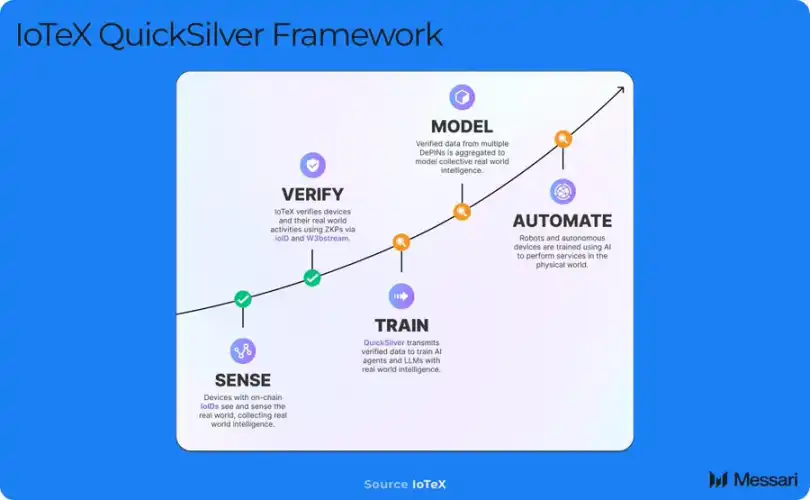
As Pantera Capital's Principal Investor, Mason Nystrom, pointed out, "While individual data may not achieve commercial value, aggregated data holds great promise." IoTeX's developed Quicksilver platform can aggregate data across DePIN while ensuring data validation and privacy protection.
Spatial Intelligence and Computing
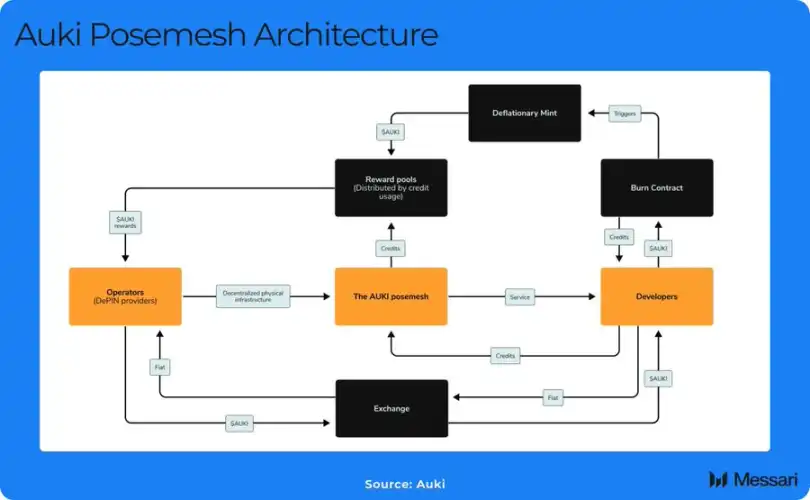
In the field of spatial intelligence and computing protocols, the industry is striving to achieve decentralized management of spatial coordination and real-world 3D virtual twinning through DePIN and DePAI. For instance, Auki Network's Posemesh technology enables real-time spatial awareness while ensuring privacy and decentralization.
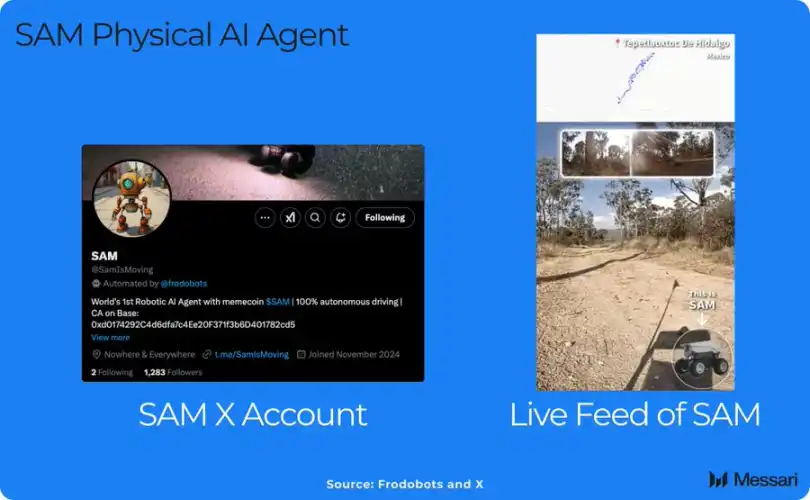
The application of physical AI agents has shown initial success, with SAM utilizing Frodobots' global robot network for geolocation inference. In the future, with frameworks like Quicksilver, AI agents will be able to better access real-time data provided by DePIN.
For investors looking to enter the physical AI field, investing in DAOs may be an ideal entry point. Taking XMAQUINA as an example, it offers members a diversified physical AI asset portfolio covering machine physical assets, DePIN protocols, robotic enterprises, intellectual property, and is equipped with a professional in-house R&D team for support.
You may also like

Citibank releases "2030 Asset Tokenization Market Outlook": 6 major trends may create a $8.2 trillion market

The trillion-dollar valuation test: Are the three major super IPOs a celebration for tech stocks or a nightmare for the crypto market?

Morning Report | Digital Asset completes $355 million financing led by a16z Crypto; Meta completes operational separation from Manus

a16z Crypto Partner: Cash flow is the moat

Cryptocurrency market makers collectively seek change as it becomes increasingly difficult to make money

How TradeXYZ, xStocks, and Alpaca break down the SpaceX IPO into three different strategies

$75 billion in risk asset redistribution: How will SpaceX's IPO affect U.S. stocks and Bitcoin?

Why Is BlackRock Investing $5 Billion in the SpaceX IPO?
Morning News | CME Group launches Nasdaq Cryptocurrency Index futures; Asset management giant Janus Henderson strategically invests in Ethena

Bitcoin Layer 2 Network Botanix: Why Did We Choose to Dissolve?

Why did Oracle deliver the strongest financial report in history, yet its stock price fell?
When the P2P illicit funds from ten years ago turned into 60,000 bitcoins
Dialogue with OmenX Founder: Why does the prediction market need an evolution from "spot" to "derivatives"?
Galaxy in-depth report: Is Solana still worth paying attention to?
Young people in South Korea make a "final effort" in the epic bull market
The pricing controversy of Trade.xyz exposes the fatal weakness of Pre-IPO perpetual contracts

How much longer can Ethereum's last big buyer hold on?

World Cup 2026 Coming – WEEX Celebrates with $1M Prize Pool & Michael Owen Live
Citibank releases "2030 Asset Tokenization Market Outlook": 6 major trends may create a $8.2 trillion market
The trillion-dollar valuation test: Are the three major super IPOs a celebration for tech stocks or a nightmare for the crypto market?
Morning Report | Digital Asset completes $355 million financing led by a16z Crypto; Meta completes operational separation from Manus
a16z Crypto Partner: Cash flow is the moat
Cryptocurrency market makers collectively seek change as it becomes increasingly difficult to make money
How TradeXYZ, xStocks, and Alpaca break down the SpaceX IPO into three different strategies


