
Pump.fun self-hosted AMM, can Raydium still monopolize the meme liquidity pool?

Original Author: CryptoBaci, Crypto Researcher
Original Translation: ChatGPT
Editor's Note: This article analyzes Pump.fun's launch of a new AMM challenging Raydium's monopoly position. Pump.fun aims to reduce reliance on Raydium through an independent liquidity pool, potentially causing liquidity outflow and impacting Raydium's market share. The article also discusses the advantages and risks of the new AMM, especially liquidity issues and potential vulnerabilities.
The following is the original content (slightly rephrased for better readability):
Pump.fun has just introduced its own AMM, which may indicate that Pump.fun is no longer relying on Raydium. They have launched their own liquidity pool, and liquidity may begin to shift away from Raydium. This implies:
• Meme coins may no longer need Raydium.
• Pump.fun will keep all fees within its own ecosystem.
• There may be LP rewards (similar to other DEXs).
The first test token $CRACK has been added to the liquidity pool.
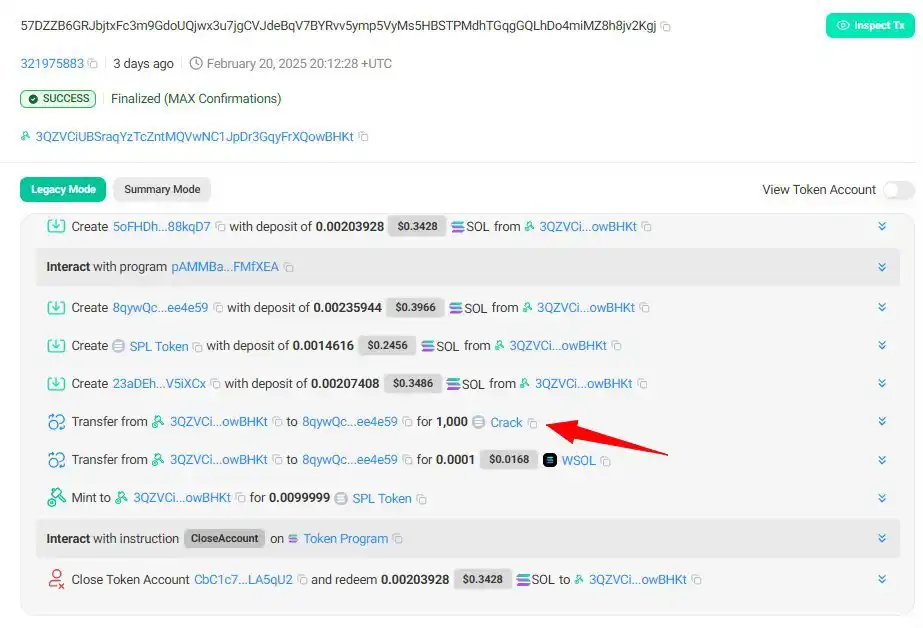
So far, all Meme coin liquidity has relied on Raydium. But now:
• You create a token and it can be traded immediately.
• Traders do not need to switch platforms.
• Pump.fun is becoming a fully independent ecosystem.
This may shift the power balance on Solana.

Advantages of the new AMM:
• Instant liquidity without relying on external platforms.
• Fully integrated with Pump.fun.
• Early opportunities for traders → arbitrage and potential system vulnerabilities.
• If this project is successful, it is an early opportunity to enter a new market.
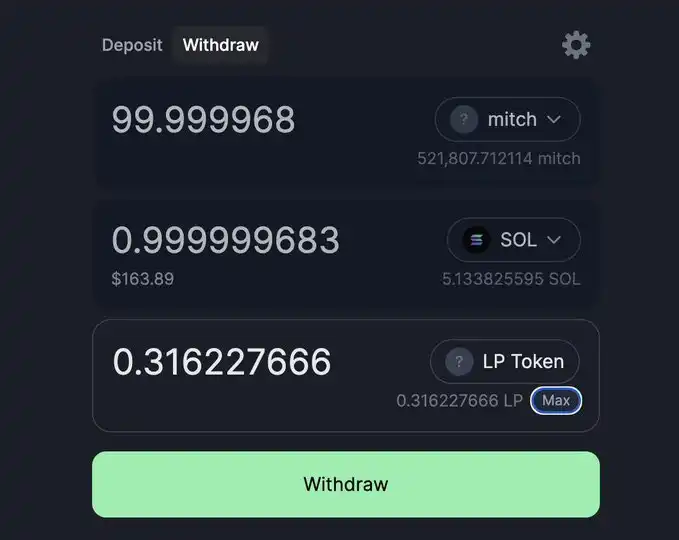
Risks and Drawbacks:
• Still in beta stage → potential vulnerabilities and security risks.
• Liquidity has not reached Raydium's depth yet.
• There is no guarantee that traders will fully migrate to this AMM.
It's either Pump.fun dominates the market share, or this AMM remains niche.
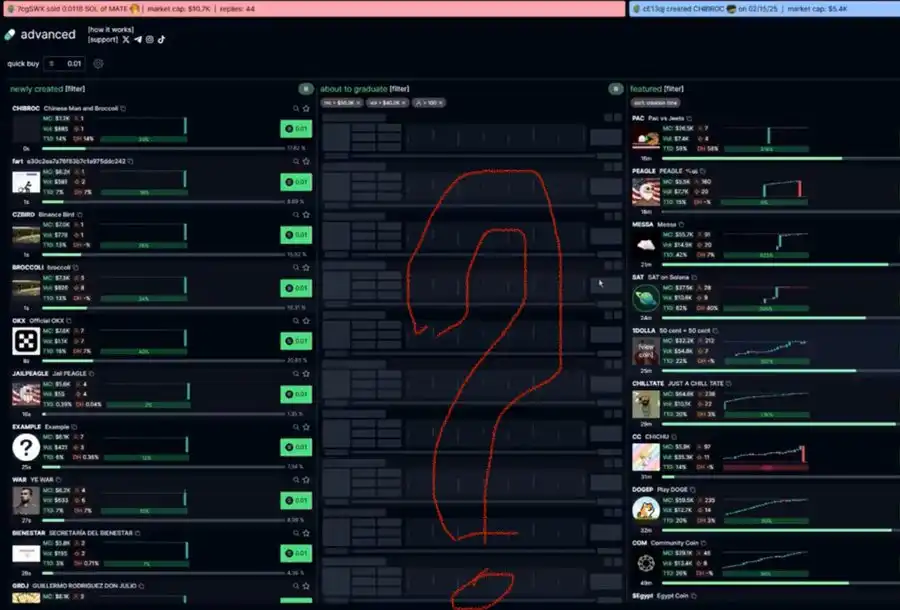
How does this affect $RAY?
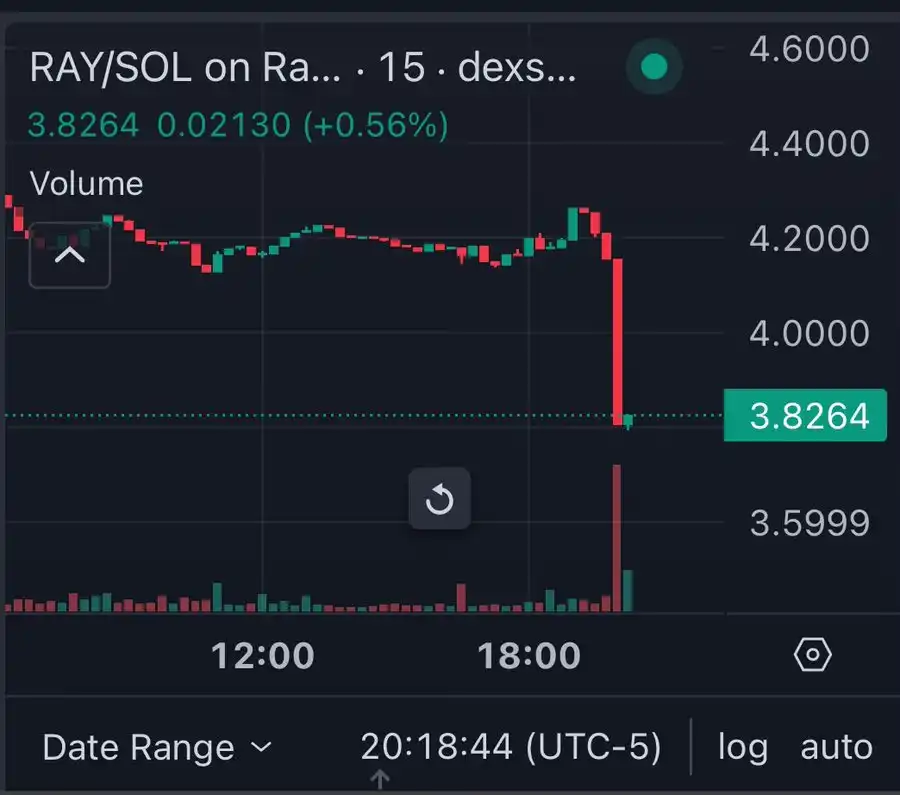
Raydium has already felt the pressure. $RAY dropped 10% after the AMM release news. Why?
• If liquidity starts flowing out, Raydium's pool revenues will be impacted.
• Decrease in trading volume = reduced interest in the DEX = further price decline.
• If this trend continues, $RAY could face an even bigger hit.
Raydium is losing control of Solana liquidity.
What to do next?
• Try the new AMM.
• Monitor liquidity and new tokens.
• Continue to observe Raydium's performance—can they defend their position?

You may also like

The foundation of SpaceX's trillion-dollar valuation: Who is dividing Musk's annual capital expenditure of tens of billions?

France vs Senegal World Cup 2026: Mbappe’s New Era Begins Against a Historic Rival

SharpLink CEO: How to understand that Ethereum developers have just surpassed 1 million?

Morning Report | MiCA grace period expires on July 1; Kalshi's trading volume in the first week of the World Cup breaks $5.1 billion, setting a record

What is the connection between Huang Zheng of Pinduoduo and blockchain?

Morning Report | Prediction market platforms like Kalshi and Polymarket jointly sue Kentucky over 14.25% trading tax; Bridgewater founder discusses decision-making in the AI era: principled thinking should run parallel to AI, human insight remains irre...

If the AI bubble has already burst, who will truly remain?
Paul Graham: How to Make a Billion Dollars

After 18 years, blockchain has finally started to head towards the main channel
Claude enforces "facial recognition for household registration," starting in July, no ID card means no access?

On the day of SpaceX's IPO, the first real test of the three perpetual mechanisms

Value Distribution of Stablecoins
Galaxy Deep Dive: Is the Bitcoin Four-Year Cycle Still Valid?

SpaceX IPO, Nvidia, and Bitcoin: Why Traders Are Watching More Than Just Crypto in 2026

The other side of Musk's trillion-dollar fortune: 85% cannot be sold

The U.S. government prohibits foreigners from using Fable 5, Anthropic issues a rebuttal

Citibank releases "2030 Asset Tokenization Market Outlook": 6 major trends may create a $8.2 trillion market
The trillion-dollar valuation test: Are the three major super IPOs a celebration for tech stocks or a nightmare for the crypto market?
The foundation of SpaceX's trillion-dollar valuation: Who is dividing Musk's annual capital expenditure of tens of billions?
France vs Senegal World Cup 2026: Mbappe’s New Era Begins Against a Historic Rival
SharpLink CEO: How to understand that Ethereum developers have just surpassed 1 million?
Morning Report | MiCA grace period expires on July 1; Kalshi's trading volume in the first week of the World Cup breaks $5.1 billion, setting a record
What is the connection between Huang Zheng of Pinduoduo and blockchain?
Morning Report | Prediction market platforms like Kalshi and Polymarket jointly sue Kentucky over 14.25% trading tax; Bridgewater founder discusses decision-making in the AI era: principled thinking should run parallel to AI, human insight remains irre...

Popular coins
Latest Crypto News


